Please only take part if it feels safe for you. If you have an injury, pain, or a health condition, skip the exercises or check with a professional first.
Wear clothes you can move comfortably in, no gym gear required, and go at your own pace.
There’s no rush, no targets, and no pressure. Listen to your body, do what feels right today, and stop at any point if something doesn’t feel okay.
The warm-up
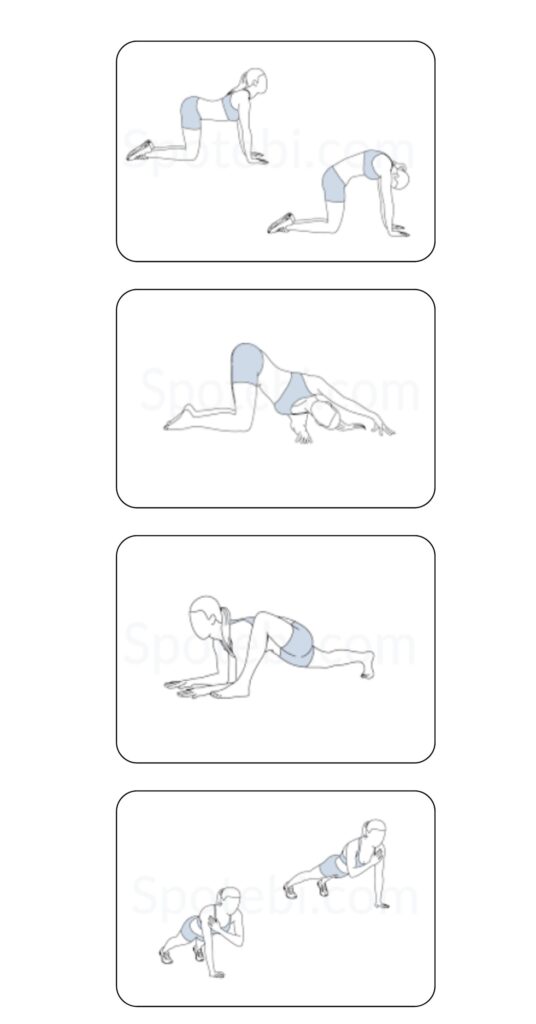
Start with simple stretches
1. ‘Cat-cow’ stretch for 30 seconds
2. ‘Thread the needle’ pose for 30 seconds each side
3. ‘Lizard pose’ for 30 seconds on each leg
4. ‘Plank shoulder taps’ for 30 seconds
The main workout
Push ups – with an adapted version
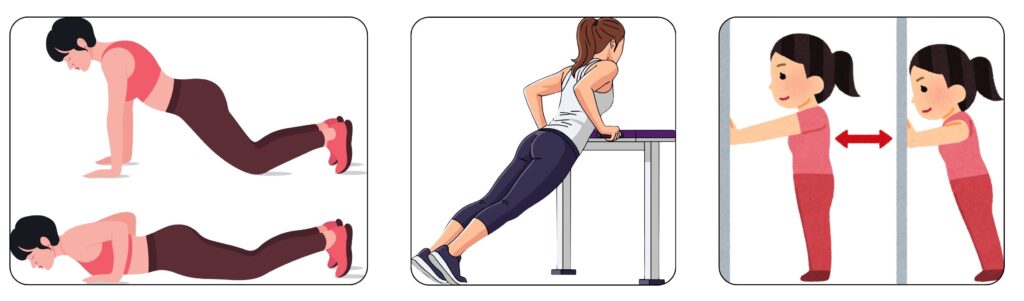
Knee push ups: Keep your body straight from your head to your knees, with your elbows bent at about a 45-degree angle as you lower your chest towards the floor and then push back up.
Regular push ups: Keep your body in a straight line from your head to your heels, tighten your tummy muscles, avoid letting your hips drop, and keep your elbows close to your sides.
If this feels difficult, you can use a bench or a wall instead of the floor. Just make sure the surface you’re using is steady and won’t move.
Take a 30-second rest between each set and do this three times.
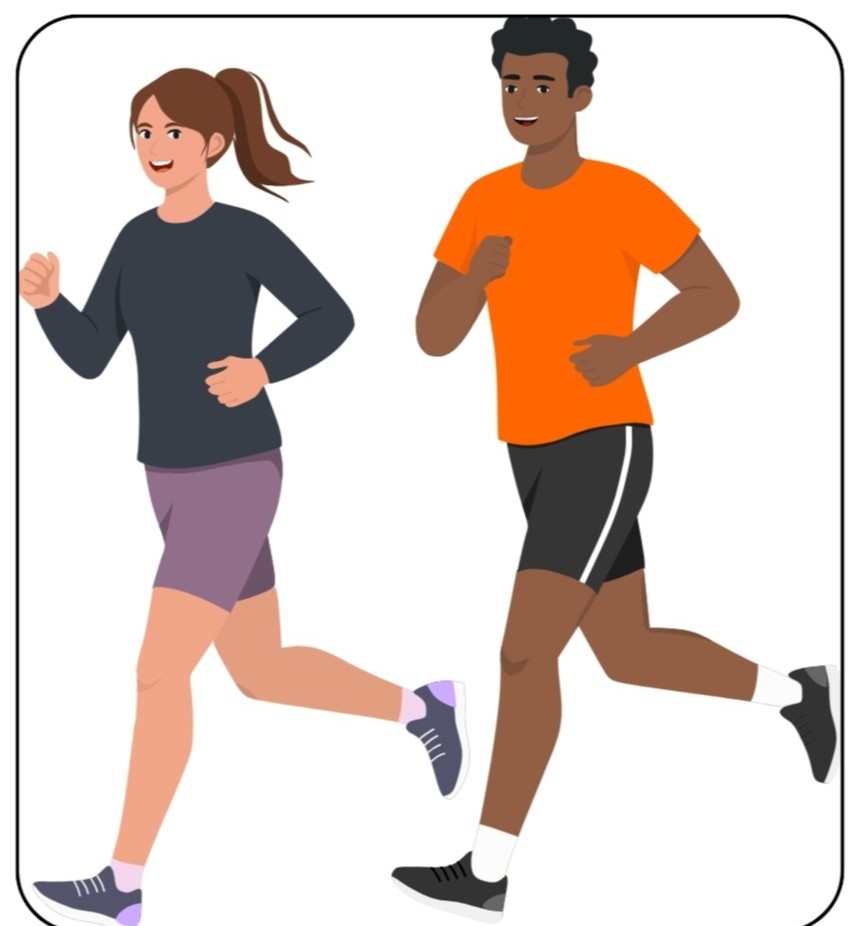
Jog on the spot
1. Stand up straight with your tummy muscles engaged.
2. Lift your knees slightly and gently swing your arms, keeping your shoulders relaxed.
3. Aim for a light, bouncy step, softly landing on the front part of your feet.
4. Move your arms and legs in opposite directions, like stepping and swinging at the same time.
Take a 30-second break, then do it again.
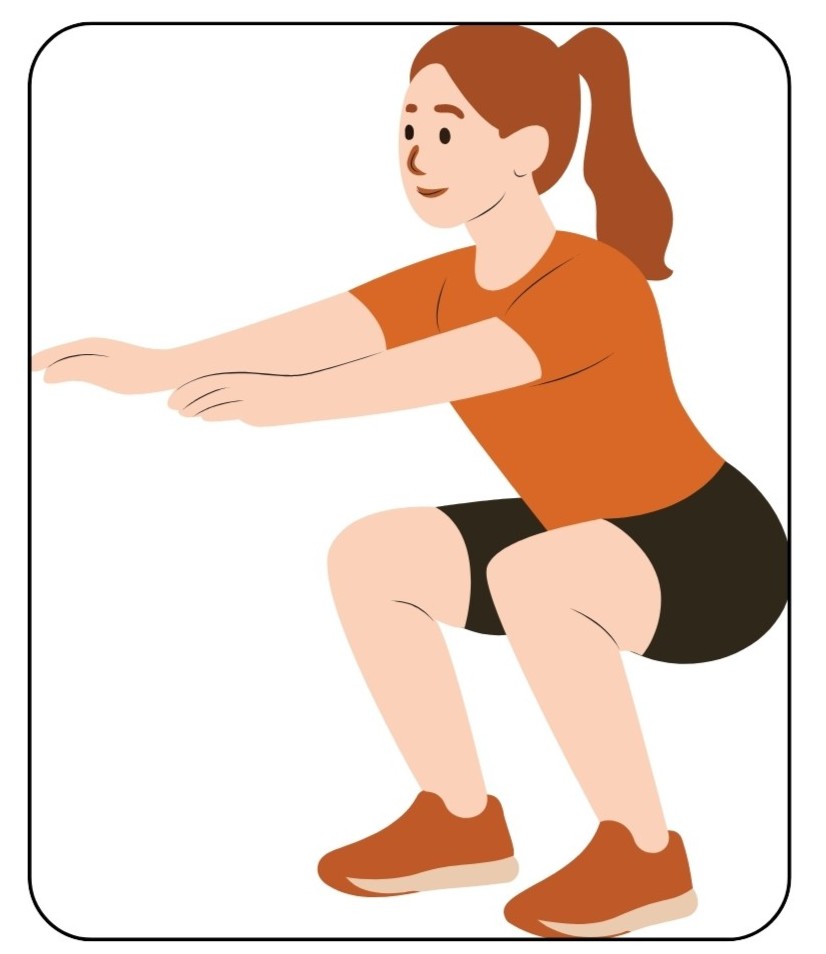
Bodyweight squats
1. Stand with your feet about shoulder-width apart.
2. Keep your chest up, push your hips backwards and down, and make sure your knees stay out.
3. Try to keep your weight on your heels and your feet flat on the ground.
4. To stand back up, push through your heels and tighten your tummy muscles.
Rest for 30 seconds, then do the exercise three more times.
Mountain climbers – slow and controlled
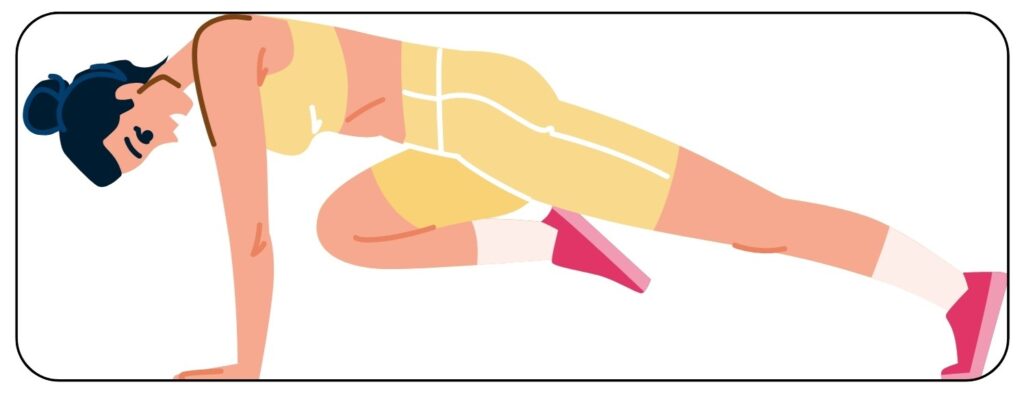
1. Begin in a full push-up position with your hands directly under your shoulders, tummy muscles tight, and your back straight.
2. Lift one knee towards your chest while keeping your hips level and steady, then slowly move it back to the starting position as you bring the other knee up.
3. Move in a smooth, controlled way, keeping your tummy muscles tight and your back flat throughout.
4. If needed, you can make this easier by placing your hands on a raised surface, slowing down your movements, or using a modified kneeling position to make it gentler and more stable – as in the above push-up adapted examples.
Pause for 30 seconds, then do the exercise three times.
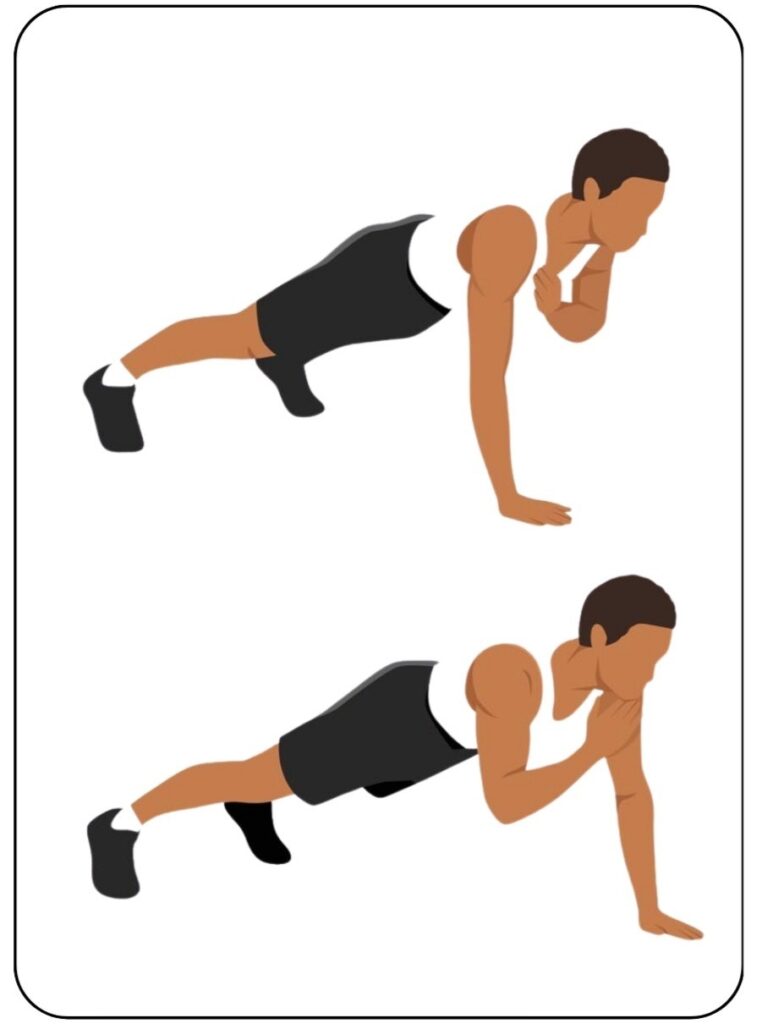
Plank shoulder tap – with an adapted version
1. Start in a high plank position (as above) with your hands directly under your shoulders and your feet a little wider than your hips.
2. Tighten your tummy and buttocks muscles so your body forms a straight line from your head to your heels.
3. Lift one hand to gently tap the opposite shoulder, making sure your hips and chest stay completely still and flat, like a table.
3. Put your hand back down and do the same with the other hand, repeating this side to side slowly and carefully
If it’s too tricky, you can make it easier by lowering your knees to the floor for support or placing your hands on an elevated surface.
Rest for 30 seconds and then do the whole thing 3 times.
Cooldown and stretch
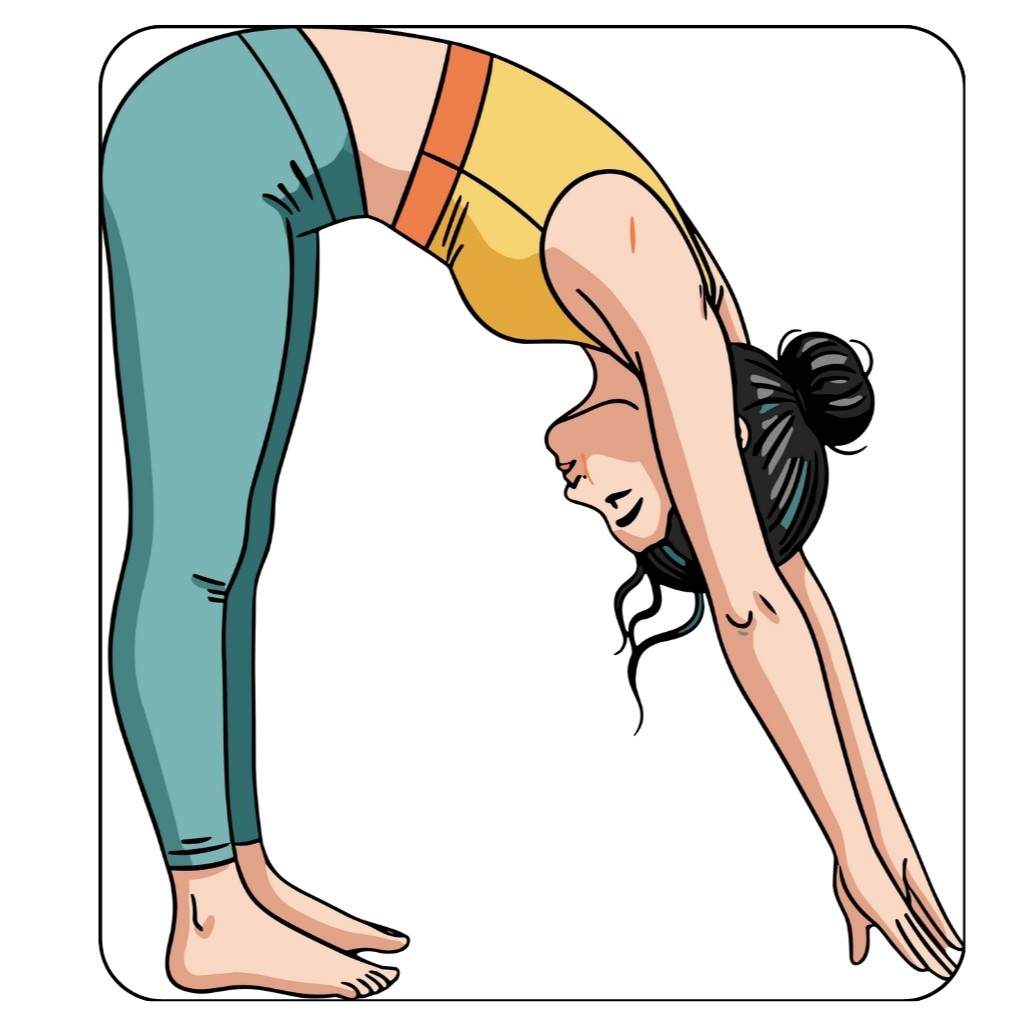
Standing forward fold
For 60 seconds
1. Stand tall with your feet about shoulder-width apart.
2. Gently bend forward from your hips and let your upper body hang down naturally.
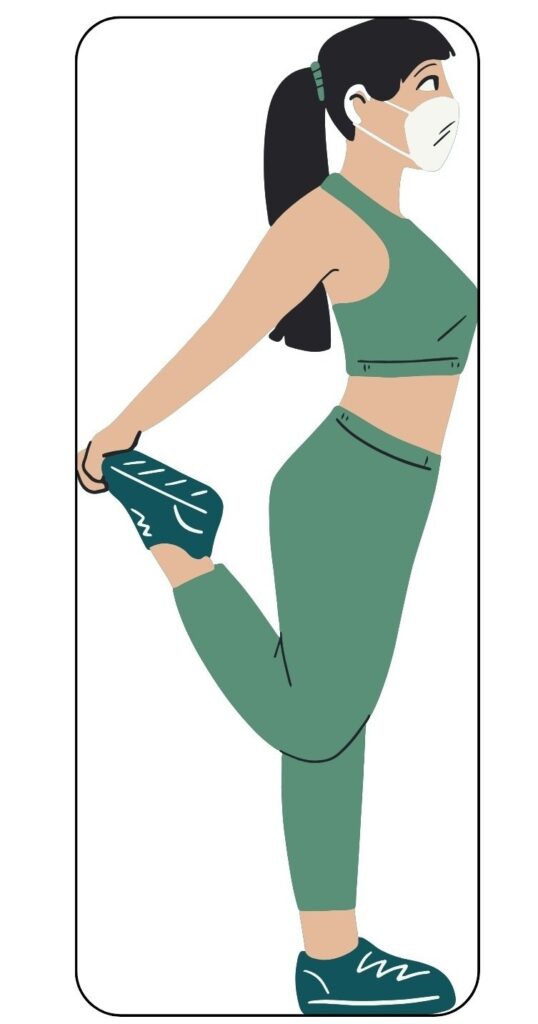
Standard quad stretch
For 30 seconds on each leg
1. Stand on one leg and reach behind you with the opposite hand to hold your foot.
2. Gently pull your heel towards your bottom, making sure your knees stay close together.
3. Keep your back straight and stand tall.
You can use a stable surface nearby, like a wall, to help you with balance.
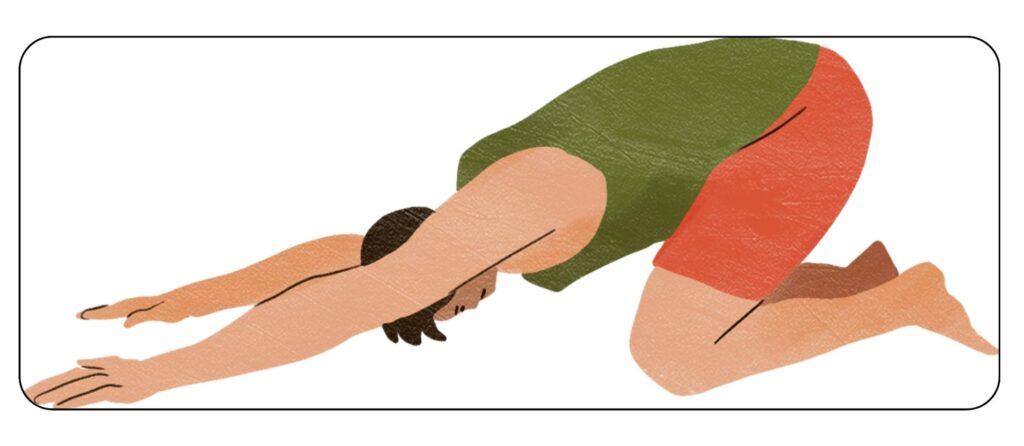
Child’s pose
For 60 seconds
1. Sit on the floor with your big toes touching and your knees spread apart.
2. Gently lean back onto your heels and stretch your arms out in front of you, resting your forehead on the ground.
Deep breathing stretch
For 60 seconds
1. Sit or stand up straight, take a deep breath in through your nose
2. Stretch your arms up above your head, and then slowly breathe out through your mouth while lowering your arms.
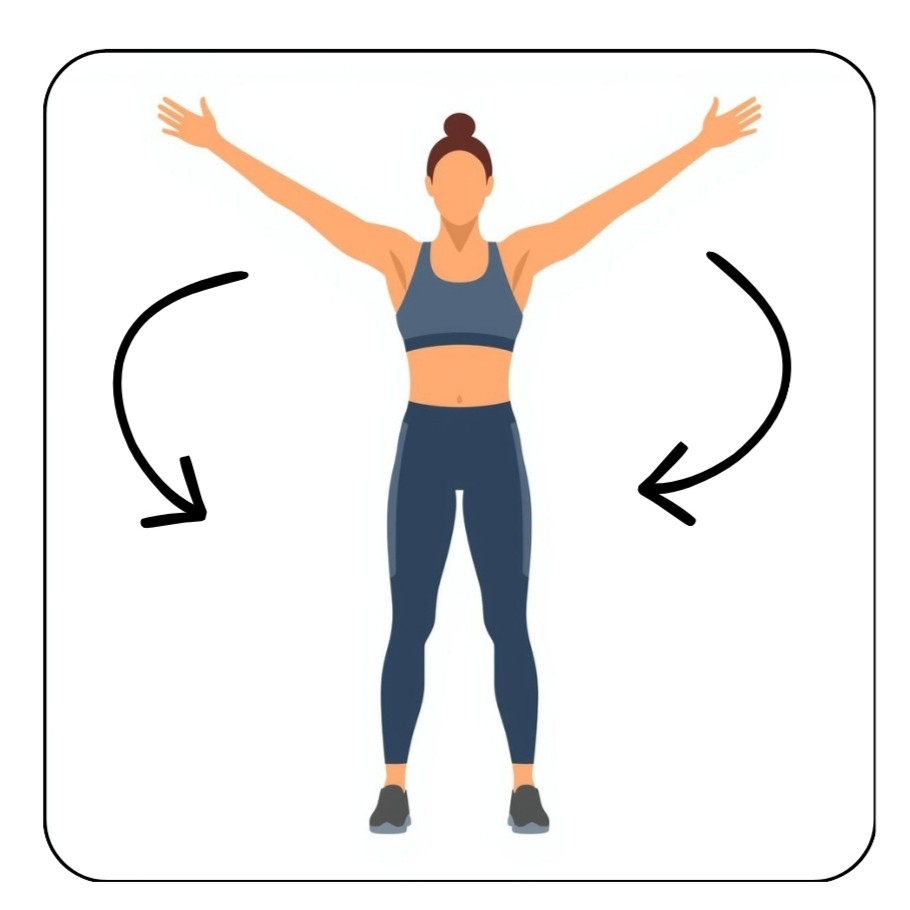
Well done! You have now finished your workout.
This workout has been prepared and recommended by a friend of the College, Matt, who is a Personal Trainer and works with patients at the Harplands Hospital.
Do you use any self-help techniques that you would like to share with the College students and friends?
Email us on Wellbeingcollege@combined.nhs.uk and we work with you to share your ideas with others!